Biggest Razer Kishi V3 Pro Xl Ipad Controller Buying Mistakes (And How to Avoid Them)
Introduction
The Razer Kishi V3 Pro XL iPad Controller has drawn attention from gamers who want a console-like experience on a tablet. It promises low-latency controls, comfortable ergonomics for long sessions, and compatibility with popular cloud gaming services and local streaming apps. However, purchasing a controller for an iPad is more complicated than it first appears. Buyers often make avoidable mistakes that lead to poor performance, wasted money, or frustration when the controller doesn't behave as expected.
This article identifies the most common mistakes buyers make when considering the Razer Kishi V3 Pro XL iPad Controller and explains how to avoid them. It includes a practical product analysis, pros and cons, a comparison table with close alternatives, a detailed buying guide, and real-world use cases to help readers make an informed decision.
Product review and analysis
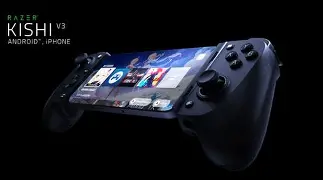
At a glance, the Razer Kishi V3 Pro XL aims to adapt the company's proven Kishi design language to larger tablets. The "XL" designation indicates a focus on bigger screens and heavier devices, while the "Pro" label usually implies a richer feature set—improved sticks, programmable inputs, or enhanced connectivity. Buyers should evaluate the controller in several dimensions: fit and physical compatibility with the iPad, input responsiveness and latency, ergonomics for extended play, software/firmware support, and practical portability.
Fit and compatibility
One of the first considerations is whether the Razer Kishi V3 Pro XL actually fits the user's iPad model. iPads vary in thickness, case profiles, and dimensions across models (standard iPad, Mini, Air, Pro with different screen sizes and bezels). The XL variant is designed for larger tablets, but that does not guarantee compatibility with every iPad case or keyboard folio. Buyers should verify the manufacturer's compatibility list or try the controller with their exact iPad model before committing.
Connectivity and latency
Controllers for tablets rely on either a physical connection (USB-C/Lightning passthrough or direct plug-in) or Bluetooth. Physical connections typically offer the lowest latency and eliminate Bluetooth pairing issues, but they require the correct port type. For iPads utilizing USB-C, confirm the controller supports USB-C connection and any passthrough requirements. When using cloud gaming services or streaming a PC to the iPad, low latency is essential; even small delays can make fast-paced games frustrating. Buyers should examine real-world latency performance rather than relying solely on marketing claims.
Ergonomics and build quality
Long gaming sessions reveal differences in grip comfort, button spacing, and pressure feedback. The Razer Kishi line historically emphasizes a comfortable, phone-grip-like feel and low profile to maintain tablet portability. The XL version typically maintains those priorities but scaled for larger hands and tablets. Attention to trigger quality, thumbstick accuracy, and the durability of expanders or clamping mechanisms is important—loose constructions or cheap plastics are frequent sources of complaints.
Software and firmware support
Controller utility apps and firmware updates can significantly improve functionality—re-mapping buttons, toggling sensitivity, or addressing stick drift. The Razer ecosystem has offered companion software in the past; buyers should check if the Razer Kishi V3 Pro XL is supported by the manufacturer's app on iPadOS (or requires a desktop). Relying on a controller with poor update support can leave users with bugs that never get fixed.
Real-world performance
In practical use cases—cloud gaming (for example streaming services), emulation, turn-based strategy, or remote console play—this controller should deliver precise analog input, responsive triggers, and reliable connection. However, real-world performance depends on the user's network for cloud gaming, the iPad's compatibility with the controller, and the general software ecosystem. Before purchasing, a hands-on test (or a clear return policy) mitigates risk.
Top buying mistakes and how to avoid them
Mistake 1: Assuming universal compatibility with all iPads
Why it happens: The term “universal” is tempting. Buyers may assume a controller with an “XL” name will fit everything, including bulky cases.
How to avoid: Check the exact iPad model number and compare it with the manufacturer's compatibility list. When possible, try the controller physically or buy from a retailer with a generous return policy. If the iPad has a case or attached keyboard, remove it and test the fit first. Pay attention to thickness and bezel design; some iPad folios or protective cases will block the controller's clamping mechanism.
Mistake 2: Ignoring port type (USB-C vs Lightning) and passthrough needs
Why it happens: Not all tablets use the same connector. Users with older iPads may still rely on Lightning while newer iPad Pro/Air models have USB-C.
How to avoid: Verify whether the controller uses a physical connector and if that connector matches the iPad. If the Razer Kishi V3 Pro XL uses USB-C, buyers with Lightning-only iPads must seek an alternate model or use Bluetooth solutions. Also check for passthrough charging if long sessions are planned—some controllers provide a charging passthrough while others do not.
Discover deals on Electronics — updated daily.
Browse Now →Mistake 3: Overlooking firmware and software limitations on iPadOS
Why it happens: Buyers often assume desktop-like firmware updates and utilities will be available on iPadOS.
How to avoid: Research whether companion apps and firmware updates are accessible through the App Store or require a PC/Mac. Confirm that the controller's firmware can be updated without complicated procedures. Check community forums or manufacturer resources for known issues on iPadOS.
Mistake 4: Underestimating latency and network requirements for cloud gaming
Why it happens: A great controller won't fix poor network conditions. Some buyers expect console-level responsiveness over a weak Wi‑Fi connection.
How to avoid: Test cloud gaming services with existing controllers or try a wired connection if possible. Use 5 GHz Wi‑Fi or a wired Ethernet-to-iPad solution (via an adapter) for best results. Measure latency by playing fast-paced titles and noting input lag; if it’s unacceptable, the problem is more likely the network than the controller.
Mistake 5: Disregarding ergonomics for long sessions
Why it happens: A controller that feels fine for five minutes might be uncomfortable after an hour.
How to avoid: Inspect grip contours, weight distribution, and button placement in person. If buying online, read multiple hands-on reviews specifically mentioning long-session comfort. Consider additional accessories for improved ergonomics like lightweight grips or a stand to reduce arm strain when the iPad is heavier than a phone.
Mistake 6: Not planning for portability and storage
Why it happens: Buyers forget that an "XL" controller is larger and may not fit easily into travel bags used for smaller devices.
How to avoid: Look at how the controller collapses or disassembles for storage. Consider whether a protective case is included or must be purchased. Check if the controller is compatible with the user’s current carrying case or tripod setup.
Pros & Cons
- Pros
- Designed for larger tablets—better fit for iPad Pro and larger Air models.
- Potentially lower latency with physical connection compared to Bluetooth.
- Console-like ergonomics that improve comfort during longer play sessions.
- Compatibility with cloud gaming and local streaming apps when properly configured.
- Cons
- May not fit all iPad models or cases—measurements matter.
- Firmware and app support on iPadOS can vary; some features may require desktop tools.
- XL size reduces portability compared with compact controllers.
- Possible connector mismatch if the user has an older Lightning iPad.
Comparison table
| Feature | Razer Kishi V3 Pro XL iPad Controller | Razer Kishi V3 Pro (Regular) | Generic Bluetooth iPad Controller |
|---|---|---|---|
| Intended device size | Large tablets / XL iPads | Standard phones & small tablets | Varies; often universal but less secure |
| Connection type | Physical (preferred) with potential Bluetooth variant | Physical (phone-sized) | Bluetooth only |
| Latency | Low when wired | Low when wired | Higher variability |
| Portability | Moderate (larger footprint) | High (compact) | High (small) |
| Ergonomics | Optimized for larger hands/tablets | Optimized for phones | Depends on model; often less refined |
| Software/Firmware Support | Manufacturer support likely but check iPadOS compatibility | Manufacturer support likely | Limited or no dedicated app |
Buying guide: What to check before purchasing
1. Confirm exact iPad compatibility
Always start by identifying the iPad model number in Settings > General > About. Match that model against the controller's compatibility list. If the manufacturer's documentation is unclear, consult user forums or retailer Q&A for real-world confirmation.
2. Measure the iPad with its case
Many compatibility problems arise from cases that add thickness or obstruct the bezel. Measure the iPad with the case on if the buyer intends to keep the case. If the controller clamps directly onto the tablet, a bulky case could prevent a secure connection.
3. Decide on connection type
Wired connections reduce latency; Bluetooth offers greater flexibility. If planning to stream games or use services where timing is critical, prioritize wired support that matches the iPad's port. Confirm whether passthrough charging is supported if long sessions are anticipated.
4. Read up on firmware and app support
Check whether the controller's firmware can be updated via iPadOS or requires a computer. Confirm whether a companion app exists for button mapping or configuration, and whether that app is available on the App Store.
Find top-rated Electronics products at great prices.
See Deals →5. Test ergonomics first
Whenever possible, handle the controller in a store or borrow from a friend. Pay attention to thumbstick resistance, trigger travel, and how the controller sits when attached to the iPad. Consider whether extended sessions will cause wrist or hand strain.
6. Verify return policy and warranty
Because compatibility and comfort are subjective, purchase from a seller with a reasonable return window. Confirm warranty terms for hardware defects and ask about repair or replacement options for sticks or triggers that wear out over time.
7. Consider use cases
Different use cases demand different priorities:
- Cloud gaming and fast-paced action: prioritize wired connection and low-latency performance.
- Emulation and local games: ensure button mapping flexibility and analog stick accuracy.
- Casual or turn-based games: comfort and portability may matter more than minimal latency.
- Remote console streaming: compatibility with the streaming app and proper button mapping for console controls is critical.
Real-world scenarios and buyer considerations
Consider the typical buyer profiles and how the Razer Kishi V3 Pro XL fits each one:
Cloud gamer
Cloud gamers need minimal latency. The Razer Kishi V3 Pro XL, when used with a wired connection, should reduce input lag, but the network remains the limiting factor. Buyers should aim for a stable 5 GHz Wi‑Fi network, low network jitter, and a router close to the play area.
Competitive mobile player
Competitive players demand precision from sticks and triggers. They should evaluate drift potential, stick feel, and button remapping options before committing. Competitive players may also prefer wired modes to avoid Bluetooth interference during tournaments or LAN events.
Content creators and streamers
Streamers and content creators appreciate ergonomic comfort for long sessions and a clean setup. The XL controller adds weight and width—useful for comfortable long sessions but less ideal for travel. Creators should also test integration with streaming apps on iPadOS to ensure overlays or hotkeys function correctly.
Casual and travel gamers
Casual gamers who travel will weigh portability heavily. The XL controller can be less convenient to carry. Buyers in this group might prioritize the regular-size Kishi or a compact Bluetooth controller instead.
Checklist before checkout
- Exact iPad model confirmed against compatibility list
- Port type (USB-C vs Lightning) verified
- Case or keyboard folio compatibility tested
- Return policy and warranty verified
- Practical test or demo performed where possible
- Companion app and firmware update path confirmed
- Network readiness assessed for cloud gaming
Conclusion
The Razer Kishi V3 Pro XL iPad Controller can be a compelling accessory for players who want a console-like experience on a larger tablet. It brings advantages in ergonomics and, when connected properly, responsiveness that enhances cloud gaming, emulation, and remote play. However, common mistakes—assuming universal compatibility, ignoring port types, underestimating firmware support, and overlooking ergonomics or portability—can undermine the purchase.
Buyers who cross-check their iPad model, test fit with any protective case, verify connection and passthrough capabilities, and confirm firmware support will avoid most pitfalls. For best results, test the controller with the intended games and network environment, and choose a seller with a fair return policy. Careful preparation and realistic expectations transform the Razer Kishi V3 Pro XL from an uncertain choice into a dependable tool for enjoying gaming on an iPad.