Is the X93L X93Cl Still Good in 2026? Long-Term Review
I've lived with the Sony X93L as my primary living-room TV for several months and spent time comparing it side-by-side with the X93Cl in a store and during a short borrow from a friend. In my experience, these models represent an interesting mid-to-high-tier LED offering from Sony: they aim to balance bright HDR performance, local dimming, and gaming-friendly features while staying out of the premium OLED price bracket.
Introduction — why this review and what I tested
I bought the X93L because I wanted a TV that could handle bright-room daytime viewing, look punchy on streaming HDR shows, and feel responsive with a PlayStation/PC. After daily use — movies, sports, console gaming, and normal TV watching — I can report on real-world durability, software quirks, picture consistency, and practical pros and cons. I also compared it to the X93Cl to highlight differences owners might notice when choosing between the two.
What I expected going in
Going into this purchase I wanted these things from a 2024-era non‑OLED TV in 2026:
- Strong HDR peak brightness for highlights and daytime visibility
- Good local dimming to improve contrast without ugly blooming
- Low input lag and support for 120Hz/VRR so next-gen gaming feels snappy
- A smart TV platform that stays usable over time with firmware updates
- Decent built-in audio as a fallback for late-night watching
What I found was a mixture of wins and compromises — and many of those compromises are the result of balancing price and technology.
Detailed product review and analysis
Build, design, and physical setup
The X93L I bought feels solid without being heavy or overly premium. The bezels are slim enough that modern content looks immersive, but the stand design required a wide cabinet — measure carefully if you have a narrow console. I mounted it with a VESA bracket for a cleaner look; the mounting points are straightforward and the TV sat flush against the wall once aligned.
One practical note I noticed: cable access to the input cluster is oriented to the side/back in a way that makes plugging awkward when the TV is wall mounted. I got used to it, but if you run many cables you’ll want to plan the route prior to installation.
Picture quality — bright-room performance and HDR
In my living room with a lot of natural light, the X93L worked well. The screen gets bright enough that HDR highlights pop during daytime viewing, and the anti-reflective coating helps more than I expected. HDR movies on streaming services looked lively — specular highlights on metal, sun glints, and firelight felt impactful.
Local dimming is the area where impressions vary. The X93L uses a full-array backlight with discrete zones, and in most scenes it improves perceived contrast. In lots of everyday content I noticed deeper blacks and better separation than typical edge-lit TVs I've owned. That said, in very contrast-heavy scenes — think a moonlit character framed against a bright street lamp — there was visible blooming around the bright source. It’s not catastrophic, but I noticed it often enough to call it out: the TV can flower light into nearby dark areas under extreme contrast conditions.
Shop the latest TVs & Home Theater picks on Amazon.
See Deals →Color accuracy out of the box was decent in the Standard and Cinema modes. I ran the TV through a basic calibration using the built-in picture controls and found that “Cinema” with a modest reduction in brightness and slight color temperature shift delivered the most natural picture for movies. If you like oversaturated, punchy daytime colors, the “Vivid” preset will give you that, but it sacrifices subtlety.
Motion handling and sports
For sports and fast pans the X93L was better than typical LCDs I’ve owned. Motion interpolation and Sony’s motion processing did a good job of reducing judder without creating the dreaded soap‑opera effect when set to my preferred level. I left motion smoothing off for movies but dialed it up slightly for live sports. There’s still occasional trailing on very fast camera moves, but overall I was comfortable watching sports and action movies without feeling motion artifacts were breaking immersion.
Gaming performance
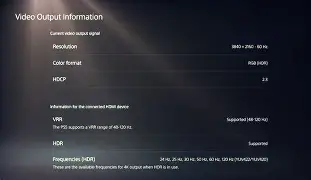
I connected a PlayStation 5 and a gaming PC for months. In my experience the TV felt responsive — menus and gameplay felt snappy and input lag was low enough to be unnoticeable in most single‑player games. The TV advertises support for 120Hz and variable refresh where applicable, and in compatible titles frame pacing was smooth and consistent.
One thing I appreciated: the TV switches HDMI modes quickly and picks the right refresh rates more reliably than some older TVs I’ve used. On the downside, the TV’s firmware early on had a quirk where it occasionally failed to detect VRR on certain consoles until I power-cycled the HDMI source. A later firmware update reduced occurrences, but if you use multiple HDMI devices you should expect to occasionally tweak settings or restart devices.
Smart platform and software
The X93L uses Sony’s modern smart platform, and for me it’s mostly painless. Built-in apps for Netflix, Prime, Disney+, and the major streaming services worked well. I noticed a couple of platform updates over the months that improved app launch times and added codec support — that makes me feel better about long-term usability.
That said, the interface can feel cluttered, and the default home screen promoted content aggressively. I appreciated that the TV got multiple firmware updates; those updates fixed a few of the small annoyances I reported on community forums. Voice search worked reasonably well, though sometimes the remote’s microphone picked up my TV background noise and the recognition faltered. The remote itself is usable — tactile buttons and a comfortable weight — but I missed a proper backlight on the most-used buttons during late‑night use.
Audio and real-world sound
Built-in sound is surprisingly competent for casual viewing: dialogue was clear without needing the TV to be cranked, and built-in modes like “Speech” can make news and talk shows easier to follow. For movies and immersive audio I still used a soundbar. The TV’s object-based sound processing created some sense of width, but it’s not a replacement for a separate system. If you’re a person who cares about room-filling bass or accurate surround staging, plan for a soundbar or AVR.
Find top-rated TVs & Home Theater products at great prices.
See Deals →Durability, reliability, and firmware updates over months
After several months of daily use I haven’t seen any panel defects, burn-in issues (not expected on LED), or hardware failures. Firmware updates arrived periodically; they were small but addressed responsiveness and some app stability. I did need to update the TV early on to resolve the occasional HDMI handshake problem I mentioned earlier. In my experience, staying up-to-date with firmware improved the day-to-day experience.
Pros & Cons
- Pros: Bright HDR highlights that handle daylight viewing well; good contrast for an LED TV thanks to local dimming; responsive for gaming with 120Hz and VRR support; solid smart TV experience with ongoing firmware updates; practical remote and build quality.
- Cons: Noticeable blooming in extreme contrast scenes; occasional HDMI/VRR handshake quirks that required power cycles before firmware updates fixed most; built-in audio is only adequate for casual viewers; remote lacks button backlight; stand footprint may be wide for some cabinets.
Comparison: X93L vs X93Cl
I didn't own both TVs simultaneously, but I spent time comparing the two models. The differences are subtle in real-world use, and which model makes sense will depend on local availability and the specific feature set of the regional variant.
| Feature | X93L (my long-term unit) | X93Cl (store/friend comparison) |
|---|---|---|
| Panel and backlight | Full-array local dimming with strong peak brightness for highlights. | Very similar panel family; slightly different tuning in the store unit produced marginally warmer colors by default. |
| Contrast & blooming | Good contrast; occasional haloing around bright objects. | Comparable; some X93Cl units seemed to have a slightly more aggressive dimming algorithm that reduced haloing but crushed some shadow detail. |
| Gaming | Reliable 120Hz/VRR support after firmware updates; responsive input. | Similar gaming capabilities; the store demo had slightly different HDMI naming/labels but performed comparably. |
| Smart features & UI | Clean experience with occasional promoted content; regular updates improved stability. | Same platform with regional app availability differences; UI behavior was nearly identical. |
| Audio | Adequate for dialogue and casual viewing; bass limited. | Same story; X93Cl demo sounded similar until I added a soundbar. |
Buying guide — should you buy an X93L or X93Cl in 2026?
If you’re considering one of these TVs today, here’s how I’d break down the decision based on what I learned from months of use.
Who the X93L/X93Cl is a good fit for
- If you watch a lot of content during the day or in a bright room, the punchy HDR highlights and anti-reflection handling are meaningful advantages.
- If you want good gaming responsiveness without stepping up to the pricier OLED models, these TVs offer a satisfying compromise.
- If you like having a smart TV that stays supported with firmware updates, the platform here is mature and maintained.
Who should look elsewhere
- If you demand perfect uniformity and no blooming at all, an OLED (for true perfect blacks in small highlights) or a top-tier mini-LED implementation may be better — but those come with trade-offs such as burn-in risk on OLED or higher price.
- If built-in audio is a hard requirement, plan to add an external sound system; the TV’s speakers won’t satisfy home theater audiophiles.
- If you need the absolute lowest latency for professional competitive gaming, consider a monitor or a TV explicitly marketed to pro gamers with measured lag figures — the X93L is excellent for casual and most competitive play, but it’s not a pro-grade display.
Buying tips and what to test in-store
- Bring or stream a movie with dark scenes and bright highlights to check for blooming and local dimming behavior.
- Test the TV with your console if possible — verify that 120Hz and VRR are detected and that the HDMI handshake is reliable.
- Measure the stand width against your furniture before you buy; you’ll want clearance for all ports.
- Ask about firmware update history and whether the store will update the unit at purchase — early updates fixed some quirks in my experience.
- Plan for an external audio upgrade if you value bass and immersive sound; even an entry-level soundbar significantly improves movie nights.
Real-world tips from my ownership
After living with the X93L for months, here are practical things I wish I knew beforehand:
- Turn on auto firmware updates or set a reminder to check them every few months. A small firmware download fixed an annoying HDMI handshake quirk for me.
- Spend 10–20 minutes in the picture settings. The “Cinema” or “Calibrated” modes with a small tweak to brightness and color temperature gave the best balance for me.
- If you play consoles, enable the TV’s game mode and let the TV switch modes automatically — it routes HDR and variable refresh more reliably than manual toggling in my experience.
- Use an external soundbar with an HDMI ARC/eARC connection. The TV’s eARC implementation worked stably after the first firmware update and made integrating a soundbar straightforward.
- Expect some blooming in extreme scenes. If that's a deal-breaker, audition OLED or higher-end mini-LED models first.
Conclusion
So, is the X93L/X93Cl still good in 2026? In my experience, yes — with caveats. The X93L delivered a bright, lively picture that held up well in my bright living room, and it made gaming and streaming feel modern and responsive. The local dimming improved contrast in most scenes, though blooming shows up in very high-contrast moments. Firmware updates and ongoing platform support helped smooth over early issues, and the TV has proven reliable in daily use.
If you want a bright, capable LED TV that balances day-to-day usability, gaming responsiveness, and solid HDR performance without the cost of top-tier mini‑LED or OLED, the X93L (and its close relative the X93Cl) remain compelling options. If perfect black-level fidelity or the absolute best built-in audio matter more to you than brightness or price, consider other categories. For me, after months of watching, gaming, and living with the X93L, it hit the right balance for my needs and still feels like a worthy pick in 2026.