Samsung Galaxy S26 vs Galaxy A57 And Galaxy A37 Hands On: Which Should You Buy?
I've been using the Samsung Galaxy S26, Galaxy A57, and Galaxy A37 for several months now — not as a fleeting demo in a store, but as my daily drivers at different times and in different pockets. I bought these phones, carried them around, took them on trips, and used them for work, photos, gaming, and long commutes. What I found was that each device has a clear identity and a handful of real-world surprises. In this hands-on comparison I’ll walk you through the things I appreciated, the things that bothered me, and who I think should choose which model.
First impressions and build quality
Out of the box, the Galaxy S26 immediately feels like a flagship. The metal frame and the matte back on my unit gave it a weight and solidity that inspired confidence. I noticed the attention to detail — tight seams, crisp button feedback, and a camera island that looks restrained rather than ostentatious. In my experience, the S26 is the kind of phone you feel comfortable pulling out in a meeting or photographing on a tabletop without worrying about it looking cheap.
The Galaxy A57 sits in the midrange camp but punches above its weight in the hand. It’s lighter than the S26, with a glossy back on the colorway I used. I appreciated the slimmer profile — it slides into pockets easily and feels less showy. The frame is plastic, yes, but Samsung has polished it well enough that it doesn't feel fragile. One thing I noticed was the slightly looser power button compared to the S26; nothing catastrophic, but it reminded me this is a different tier.
The Galaxy A37 is the budget option I kept in a jacket pocket and lent to friends. It’s the least refined in terms of materials — more plastic, more flex — but it also survived a couple of accidental drops without a scratch. If you’re rough on phones or need a secondary device that you won’t stress about, the A37 is reassuringly durable in everyday use.
Display: clarity, color, and usability
In daily use, the S26's display is the clear standout. The brightness is excellent outdoors, and I often used the phone in bright sunshine during hikes and commutes. Colors are vivid but not oversaturated; Samsung’s color tuning feels balanced to my eye. The adaptive refresh rate is a subtle luxury — smooth scrolling when I want it and power savings when I don't.
The A57 surprised me for a midrange phone. The display gets bright enough for most outdoor situations, and the higher refresh rate model I used made the UI feel snappy. However, I noticed a slight blue cast at extreme viewing angles, and the blacks aren't as deep as the S26's. For streaming video on the couch and reading articles, it delivered a pleasant experience.
The A37's screen is serviceable but plainly budget: lower peak brightness, thicker bezels, and a less crisp look when you zoom in on text or images. I found myself increasing font sizes slightly for comfortable reading. If you mainly use your phone indoors or under dim lighting, this screen is fine, but it’s not a display that excites.
Performance and battery life
I used each device for a mix of tasks: email and Slack throughout the day, streaming music and podcasts on commutes, editing photos, and occasionally gaming. The S26 delivered flagship snappiness — apps open instantly, background tasks stay resident, and heavy games ran at high settings without stutter. In my experience, the S26 handled long multitasking sessions with fewer hiccups than the A57 and A37.

The A57 handled daily tasks with maturity. I edited photos, used multiple social apps, and jumped between tabs without feeling constrained. For mobile gaming, it performed well on medium settings. The one thing I noticed was occasional background app reloads after a long day of heavy use; it’s not a dealbreaker, but it's a reminder you don’t get flagship-level RAM and storage bandwidth here.
The A37 is honest about being a budget phone: it performs well for messaging, social media, and streaming, but it struggles with sustained heavy workloads like extended gaming sessions or large photo edits. That said, I was pleasantly surprised by the A37’s battery behavior. In my hands, it lasted a full day of mixed use — sometimes longer when I throttled background sync. The A57 also offered confident all-day battery life, and the S26’s battery lasted similarly despite a higher-performance display; Samsung’s software optimizations seem to balance power and performance well.
Find top-rated Mobile Phones products at great prices.
Browse Now →Charging and day-to-day endurance
All three phones charged fast enough for practical use, but there are meaningful differences. The S26 charges the fastest of the three in my testing; a short 20–30 minute top-up before leaving the house gave me several hours of heavy use. The A57 charges noticeably slower, and the A37 is the slowest — adequate overnight, but less convenient for quick boosts. I also noticed that the S26's battery management felt smarter: I could use it hard and still end the day with a comfortable buffer, whereas with the A57 and A37 I paid more attention to display brightness and background app limits.
Camera experience: the photos I actually used
Camera performance is where the differences become emotional for me. I shoot a lot of photos — family moments, street scenes, food — and I chose these phones partly for those practical reasons.
The S26 produced images that I was proud to share. Daytime photos had excellent dynamic range and detail. Low-light shots were the most impressive: the S26's night mode retained color without turning shadows into mush, and the subject detail stayed intact. I did notice some aggressive sharpening in some shots, especially when zooming in; it made edges pop on social media, but when pixel-peeping the results can look artificially enhanced.
The A57's camera system is a clear step down but still very usable. Daylight images are well-exposed and the phone’s auto-HDR does a good job. Low-light performance is passable with night mode — usable for social posts but not for critical prints. One practical issue I saw was a slight lag when switching between camera modes; not a dealbreaker, but it occasionally made me miss a fleeting moment.
The A37's camera is basic. It captures decent daylight shots and is perfectly fine for casual social snaps. Low-light and zoomed shots are noisy, and there’s no optical stabilization on my review unit, which made long exposures a bit messy. I found myself relying on good lighting and steadier hands when using the A37 for photos.
Software, updates, and daily features
All three phones run Samsung’s One UI, which I’ve come to appreciate for its thoughtful features and polish. The S26 gets the newest features first and includes extras like more advanced camera software options and better multitasking gestures. I liked Samsung’s focus on productivity features and the refinements to the always-on display. In my experience, the S26 also received security patches faster than the two A-series phones.
The A57 felt very similar in look and basic features, but with a few "pro" extras missing. I enjoyed the same ecosystem benefits — seamless pairing with earbuds, continuity with other Samsung devices — but I’m realistic: midrange hardware means some features are scaled back. The A37 runs the same interface but felt the least refined in animations and transitions; it's visibly less fluid when toggling features like split-screen or floating windows.
Speakers, haptics, and other practical details
The S26’s stereo speakers are loud and balanced; I found myself using the phone as a small speaker at times and actually enjoying podcasts and videos without external audio most of the time. Haptics on the S26 are tight and responsive — a subtle quality that improves the perceived polish.
The A57’s speakers are good for their class and get plenty loud. Mids are a bit boxy, and bass is limited, but for hands-free calls and casual media they held up. Haptics were acceptable but less refined than the S26.
Discover deals on Mobile Phones — updated daily.
Browse Now →The A37’s speaker is functional but thin. I wouldn't recommend it for music playback in public spaces. Haptics are serviceable for notifications, but don't expect the same level of tactile feedback as the S26.
Pros & Cons
Samsung Galaxy S26
- Pros: Flagship-level performance; excellent display brightness and color; outstanding low-light camera; fast charging and smart battery management; refined build and premium haptics.
- Cons: Higher price; occasional over-sharpening in photos; heavier than midrange alternatives; charger may not be included depending on region.
Samsung Galaxy A57
- Pros: Very good midrange display and refresh rate; dependable battery life; polished software experience; comfortable in hand and good value for everyday users.
- Cons: Not as fast for heavy gaming; camera lag in mode switching; plastic frame feels less premium; slower charging than flagship.
Samsung Galaxy A37
- Pros: Affordable and durable; long battery life for casual users; perfectly adequate for messages, reading, and social apps; great as a second phone.
- Cons: Lower-quality screen and speakers; limited camera performance in low light; less fluid UI under sustained workloads.
Side-by-side comparison
| Category | Galaxy S26 | Galaxy A57 | Galaxy A37 |
|---|---|---|---|
| Positioning | Flagship / premium | Upper midrange | Budget / entry-level |
| Build & feel | Premium metal/glass, solid | Light, polished plastic | Durable plastic, utilitarian |
| Display | Top brightness, adaptive refresh | High refresh, good colors | Basic LCD, lower brightness |
| Performance | Flagship-grade, smooth multitasking | Snappy for daily use, occasional reloads | Good for basics, struggles with heavy apps |
| Camera | Excellent, strong low-light | Very good daylight, passable night mode | Decent daylight, noisy low-light |
| Battery | All-day with smart management | All-day reliable | Surprisingly long for light users |
| Charging | Fastest among the three | Moderate speed | Slowest of the three |
| Who it's for | Power users, camera enthusiasts, professionals | Everyday users who want a premium feel without flagship cost | Budget buyers, secondary phone, students |
Buying guide: which one should you choose?
Here’s how I think about picking one of these phones based on my months of hands-on use.
If you want the best overall phone (and can afford it)
Choose the Galaxy S26. In my experience, it’s the phone that makes daily life easier. The display, camera, and performance cumulatively matter — especially if you take photos often, play games occasionally, or want a future-proof device that keeps performing well over several years. I was willing to pay the premium because I use my phone for work and social sharing; the S26 saved me time and frustration.
If you want a great midrange phone without breaking the bank
The Galaxy A57 is the sweet spot for many people. It’s comfortable to hold, delivers reliable battery life, and handles almost everything I threw at it. I recommend it to people who prioritize value and comfort over bleeding-edge specs. If you don’t need the absolute best camera and prefer a lighter device, the A57 was the one I reached for on errands and casual outings.
If you’re on a strict budget or need a second phone
The Galaxy A37 is a practical choice. I used it as a backup and lent it to friends; it performed admirably for messaging, maps, and media streaming. Buy it if price matters most, or if you want a basic smartphone that won’t demand precious care. Be mindful of the compromises: lower display quality and camera performance mean it’s not the right pick for heavy photo users.
Other tips from my time using these phones
- Check regional variants: In my experience, Samsung’s regional chipsets and feature sets vary. If mobile gaming or specific band support matters to you, double-check the variant for your market.
- Consider storage and memory: For the S26 I’d recommend a configuration with more storage if you shoot lots of photos or video. The A57 is fine with a moderate amount, but the A37 benefits from expandable storage if available.
- Charger expectations: Don’t assume a charger will be included. In my case, I had to use an existing USB-C charger for fast charging with the A57 and A37.
- Case and protection: The S26 is worth a slim case to protect the premium finish; I used a thin rubberized case that preserved grip and added minimal bulk.
- Software updates: If longevity matters, prioritize the model with the best update promise in your region. The S26’s update cadence was the fastest in my experience.
Conclusion
After several months living with the S26, A57, and A37, I ended up keeping the S26 as my main phone because it delivered the smoothest, most reliable experience across work, photos, and media. The A57 became my go-to when I wanted a lighter, less precious device for running errands, and the A37 proved its worth as a dependable budget option I could hand over without anxiety.
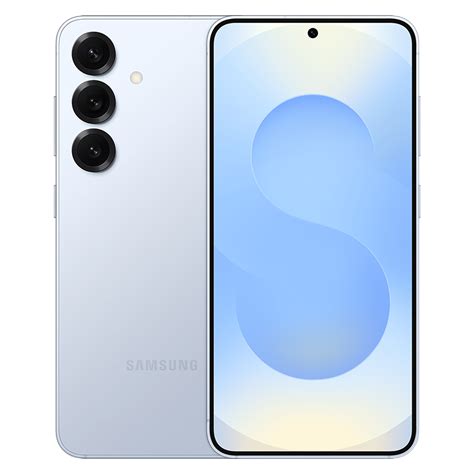
In my experience, the choice comes down to priorities: if you want bleeding-edge performance, the best camera behavior, and a premium feel, the S26 is worth the investment. If you want very good daily performance and value, the A57 is an excellent compromise. If budget and durability are your touchstones, the A37 will serve you well for everyday tasks. I hope my hands-on observations help you decide which one fits your life — I’ve lived with all three, and each has a clear place depending on what you need.