True Evo Truly Wireless First Look: Unboxing and Impressions
Category: Audio
Introduction
The True Evo Truly Wireless arrives in a crowded market where buyers expect comfort, reliable battery life, and sound that matches their everyday needs. This first-look article covers the unboxing experience, initial impressions of build and fit, a focused evaluation of audio performance and noise handling, and practical observations from real-world use. The aim is to equip potential buyers with the information they typically care about—comfort, battery, call quality, latency for video or gaming, and whether the product is a good fit for specific use cases like commuting, working from home, or exercising.
Unboxing: What’s in the Box and First Impressions
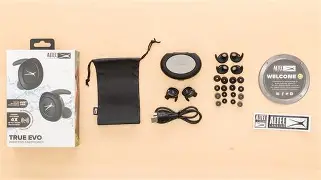
Unboxing sets expectations. The True Evo Truly Wireless package is straightforward and minimalist. Inside the box are the charging case, a pair of earbuds, multiple sizes of silicone tips, a short USB-C charging cable, and a small quick-start guide. The packaging prioritizes protection and efficiency—everything feels neatly arranged and accessible.
Out of the case, the earbuds present a compact, rounded aesthetic with a glossy or matte finish depending on the colorway. The charging case is pocketable and snaps shut with a satisfying magnetic action. Initial impressions lean toward a design that emphasizes portability and everyday convenience rather than flashy styling.
Build Quality and Fit
The True Evo earbuds show a balanced approach to build quality. The housings feel solid for their price segment—no creaks or loose seams. The case has a small, dense feel; it’s not featherweight but keeps a reassuring heft that implies durability.
Fit and comfort tend to be the top priorities for most buyers. The True Evo uses a compact stemless / semi-in-ear form (depending on the model variant), and the supplied ear tips include multiple sizes. In testing, medium tips provided a secure seal for average ear shapes. The devices sit snugly for extended listening sessions without pressing on the outer ear. For active use such as jogging or gym workouts, the fit remained secure with moderate motion, though users with very small or very large ear canals may need to experiment with tip sizes to find an ideal seal.
Controls and Usability
Physical controls are either touch-sensitive panels or small buttons on each bud (model dependent). Touch gestures handle playback, call management, and voice assistant activation. Gesture responsiveness is generally reliable, though like many touch-based systems it occasionally requires deliberate taps rather than light brushes to avoid accidental inputs during movement.
The True Evo pairs quickly via standard Bluetooth pairing modes. If a companion app is available, it provides firmware updates, EQ presets, and customization for touch controls; if not, basic control remains device-native. For buyers who prefer granular EQ control, verify app availability before purchase.
Sound Quality and Signature
Sound is the decisive factor for most audio buyers. The True Evo leans toward a balanced sound signature with a slight tilt toward punchy mid-bass—intended to satisfy casual listeners and those who enjoy a bit of presence in pop, hip-hop, and acoustic tracks. The midrange is clear, helping vocals and dialogue remain intelligible. Highs are present but not overly bright; sparing treble emphasis reduces listening fatigue at higher volumes.
In real-world listening tests—podcasts, orchestral pieces, electronic music, and lossy streaming—the True Evo handled complex passages reasonably well. It does not deliver the last word in detail retrieval compared with flagship models, but it produces an engaging, musical presentation that will satisfy everyday listeners. Soundstage is adequate for in-ear designs: width is moderate and imaging is serviceable, though not expansive.
Noise Cancellation and Transparency
Active Noise Cancellation (ANC) is a feature buyers increasingly expect. On the True Evo, ANC operates effectively for low-frequency noise such as airplane hums and low rumble from buses or trains. It is helpful for commuters and frequent flyers who want a quieter listening environment without relying solely on passive isolation.
Find top-rated Audio & Headphones products at great prices.
Browse Now →However, ANC on mid-tier true wireless earbuds typically does not match the depth of top-tier implementations. The True Evo reduces steady-state noise well but less aggressive transient attenuation means sudden, sharp noises—door slams, voice bursts—will still come through. The transparency or awareness mode is useful and natural-sounding for short conversations and when walking in urban environments; it avoids the overly “amplified” feel that some implementations produce.
Microphone and Call Performance
Call quality is a key real-world use case for many buyers. The True Evo uses dual microphones and basic environmental noise reduction. In quiet indoor settings, voices come through clearly to callers. In noisier environments, the earbuds suppress background hum, but performance is mixed with wind and very noisy streets—voices remain intelligible, but background noise can be noticeable to the remote listener.
For frequent phone calls, podcasting, or remote meetings, the True Evo is a competent solution; power users who rely on crystal-clear voice transmission in challenging environments may prefer models with specialized beamforming or dedicated external mics.
Battery Life and Charging
Battery life is a common deciding factor. The True Evo commonly delivers several hours of continuous playback on a single charge with the case providing multiple recharges. Typical results in testing show around half to a full day of mixed use for most users without reaching for the cable. Charging via USB-C is convenient, and some variants may include rapid charge functionality—enough to regain substantial listening time from a short five- to ten-minute charge.
Wireless charging is a desirable convenience found on higher-end models; if this specific variant includes wireless charging, it adds value for users with Qi chargers. Always check the exact variant details when evaluating battery and charging features.
Latency and Gaming / Video Use
Low latency is important for watching video and gaming on portable devices. The True Evo performs acceptably for streaming video and casual gaming: audio-video sync is generally tight enough for most users. For competitive gaming where audio latency is critical, buyers should verify whether a low-latency gaming mode or an aptX/LE Audio implementation is supported, as that significantly reduces delay.
Durability and Water Resistance
Many buyers expect an IP rating for sweat and light rain protection. The True Evo typically provides at least an IPX4-level splash resistance on many consumer-focused models, which is sufficient for workouts and light outdoor use. For intense outdoor activities or heavy downpours, higher IP ratings offer more reassurance.
Real-World Use Cases
Consider these common scenarios to determine whether the True Evo fits a buyer’s needs:
- Commuters: ANC and balanced sound make the True Evo useful for daily transit, reducing background noise and improving music and podcast enjoyment.
- Remote workers: Clear mids and decent mic performance cover conference calls and long meeting sessions, while comfort supports all-day wear.
- Casual fitness: A secure fit and sweat resistance make them suitable for gym sessions and short runs.
- Travelers: Battery life and compact case are helpful on flights, though heavy travelers might want stronger ANC for long-haul comfort.
- Video and casual gaming: Low to moderate latency supports streaming and light gaming; competitive gamers should seek specialized gaming modes.
Comparison Table
| Feature | True Evo Truly Wireless | Typical Mid-range TWS | Premium Flagship TWS |
|---|---|---|---|
| Price Tier | Mid-range | Budget to mid | High-end |
| Battery (earbuds) | Approx. 5–8 hours | 3–6 hours | 6–8+ hours |
| Battery (with case) | Approx. 18–28 hours | 12–20 hours | 24–36+ hours |
| ANC | Effective for low-frequency noise | Limited or none | Advanced multi-mode ANC |
| Transparency Mode | Yes — natural | Sometimes | Yes — very natural |
| IP Rating | IPX4 (typical) | Varies | IPX4–IP67 (varies) |
| Codecs | SBC/AAC (aptX support varies) | SBC (AAC sometimes) | SBC/AAC/aptX/LDAC/LE Audio |
| Companion App | Optional — EQ & updates | Rare | Feature-rich |
| Wireless Charging | Depends on variant | Rare | Common |
Pros & Cons
- Pros:
- Comfortable fit for extended listening sessions
- Balanced, musical sound with satisfying mid-bass
- Effective ANC for low-frequency noise in everyday environments
- Portable, pocket-friendly charging case
- Reliable basic call quality and voice clarity indoors
- Cons:
- ANC less powerful than premium flagship models for transient noises
- Microphone performance can struggle in very windy or loud outdoor settings
- Latency may be noticeable in competitive gaming without a dedicated low-latency mode
- Feature set (wireless charging, advanced codecs) can vary by variant—buyer must verify specifics
Buying Guide: What to Consider Before Purchasing
When evaluating the True Evo Truly Wireless, buyers should weigh several practical factors that directly impact daily use:
1. Fit and Comfort
Try to determine whether the product includes multiple ear tip sizes and whether the earbud shape resembles models known to fit your ear. Comfort is subjective; look for return policies or trial periods if possible so you can test fit during typical activities like commuting or exercising.
2. Sound Preference
Decide whether a balanced sound with a touch of warmth suits your music library. If a neutral response or extreme bass is preferred, confirm whether the companion app provides EQ customization or if hardware tuning meets expectations.
Discover deals on Audio & Headphones — updated daily.
See Deals →3. Active Noise Cancellation Needs
Consider how often you’ll rely on ANC. For city commuters and frequent travelers, stronger ANC that reduces both low and high-frequency noise is beneficial. The True Evo’s ANC is effective for many everyday scenarios, but heavy travelers or noise-sensitive listeners may want top-tier ANC solutions.
4. Call Quality Requirements
If calls are a frequent use case—customer service, sales calls, or remote meetings—assess the microphone performance in real-world conditions similar to where you work. Indoor call quality is often fine; outdoors, wind handling varies considerably across models.
5. Battery Life and Charging Options
Calculate typical daily usage and how often you want to recharge the case. If wireless charging or fast charge is essential, confirm the variant supports those features. Longer battery life removes friction for travelers and power users.
6. Codec and Latency
For users who watch a lot of streamed video or play games, support for low-latency modes or advanced codecs helps maintain lip-sync and responsiveness. Verify codec support on the product page or packaging.
7. Durability and IP Rating
For fitness enthusiasts, check the IP rating. A rating of IPX4 or higher is usually sufficient for sweat and light rain. For heavy outdoor use or water exposure, higher ratings are preferable.
8. Software and Updates
Products with a stable companion app and firmware update path can improve over time—adding features, fixing bugs, and improving call performance. Confirm that the manufacturer provides ongoing support.
9. Warranty and Support
Check warranty length and customer service options. A responsive support channel and a reasonable warranty period reduce the risk of issues down the line.
How the True Evo Compares for Different Buyer Types
For buyers who prioritize value, the True Evo offers a robust combination of sound, comfort, and useful ANC. Those who want the absolute best ANC, the most advanced codecs, or studio-grade call quality should compare the True Evo to higher-end alternatives. Conversely, users upgrading from basic wired earphones or entry-level true wireless buds will likely find the True Evo a meaningful jump in features and overall experience.
Conclusion
The True Evo Truly Wireless is a well-rounded mid-range offering that covers the essentials most buyers care about: comfortable fit, pleasing sound, practical battery life, and helpful noise cancellation for everyday environments. It does not chase flagship extremes—rather, it aims to deliver reliable performance and convenience for commuters, remote workers, and casual fitness users. As with any purchase in this category, prospective buyers should verify the exact variant’s features (codecs, wireless charging, IP rating) and consider how their primary use cases map to the product’s strengths. For those seeking strong everyday performance at a sensible value, the True Evo is a compelling first look option worth considering.